Use code ISHLIV to get 10% OFF

Wall-Mounted Mandir Design Ideas for Modern Homes
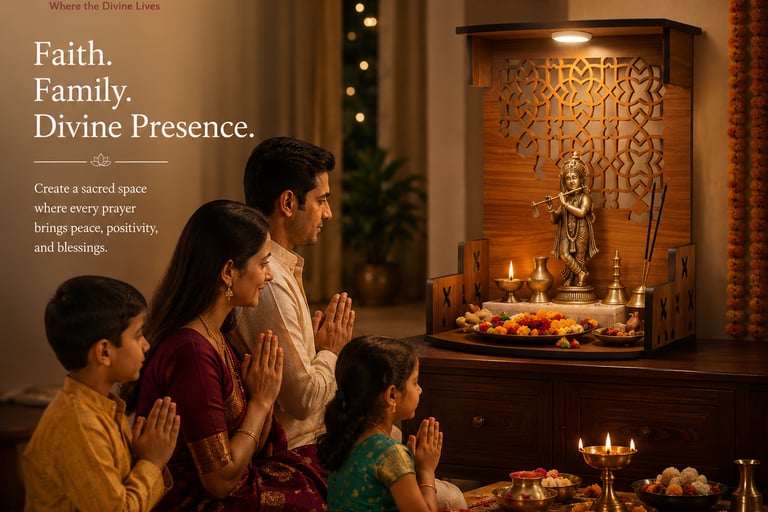

A wall-mounted mandir is one of the most practical ways to create a sacred prayer space without using floor space. It works especially well in condos, apartments, townhouses, and modern homes where every wall and furniture placement needs to be planned carefully.
Unlike a tabletop mandir or floor-standing temple, exploring wall-mounted mandir design ideas creates a cleaner, elevated look. It keeps the prayer area defined, saves room, and helps the mandir feel like an intentional part of the home.
The key is not only choosing a beautiful mandir. The key is choosing a wall-friendly design and installing it safely.
In This Guide, You’ll Explore
Wall-mounted mandir design ideas
Ideal wall placement and height
Wall-friendly MDF mandir structure
Keyhole slots and mounting grooves
Drywall, studs, and anchor basics
Battery-operated lighting with no visible wires
Wall mandir with console combinations
Apartment-friendly wall mandir planning
1. Why Choose a Wall-Mounted Mandir?
A wall-mounted mandir is ideal when you want a dedicated prayer space without adding another floor-standing furniture piece.
This style is especially helpful in modern layouts where furniture, walkways, storage, and open living areas already compete for space. If your wall space is also limited, pairing a smaller unit with compact mandir designs for apartments can help you keep the footprint balanced.
A wall-mounted mandir works well when you want:
A dedicated prayer space without using floor area
A clean and elevated mandir setup
A lighter look compared with bulky furniture
A mandir that works with modern interiors
A setup suitable for condos, apartments, and townhouses
A prayer space that feels intentional and organized
This style is best when the mandir is compact, well-proportioned, and installed securely.
Image placement idea: Wall-mounted MDF mandir on a clean wall with open floor space below.
Suggested image ALT text: Wall-mounted MDF mandir saving floor space in a modern home.
2. Choose a Structurally Wall-Friendly MDF Mandir
For wall mounting, the mandir should be designed with structure, balance, and installation in mind.
This is where the design of the back panel matters. A wall-friendly mandir should not depend only on appearance. It should be engineered so the weight distributes properly when mounted.
A good wall-friendly MDF mandir should ideally include:
Strong back support
Balanced weight distribution
Smooth and flat back contact
Pre-routed grooves or keyhole slots
Top-corner mounting points where possible
Finished edges
Compact depth
Stable shelf design
Appropriate mounting hardware for the wall type
Top-corner keyhole slots or mounting grooves are especially useful because they help the mandir anchor from the upper sides. This allows the weight to pull downward more naturally, keeping the back panel closer to the wall and reducing the chance of the top pitching forward.
For wall-mounted mandirs, this structural detail is more important than decoration alone. A premium wall mandir should feel secure, sit flush, and look clean once installed.
3. Pick the Right Wall for Your Mandir
The wall you choose matters as much as the mandir itself.
A wall-mounted mandir should be placed on a wall that feels clean, respectful, and structurally suitable. Avoid weak, damaged, damp, or crowded walls.
Good wall locations include:
A clean side wall
A quiet wall near the living area
A wall above a console or sideboard
A hallway wall with enough width
A dedicated prayer wall
A wall away from shoes and clutter
Avoid placing the mandir:
Beside a bathroom
Directly above shoes
On a damp or damaged wall
Too close to curtains
In a cramped walkway
On a wall that cannot support weight safely
The best wall location should feel peaceful, practical, and safe for daily worship.
4. Choose the Right Height for a Wall-Mounted Mandir
Height is one of the most important decisions for a wall-mounted mandir.
The mandir should be high enough to feel respectful and elevated, but not so high that daily prayer becomes uncomfortable. You should be able to see the idols or framed images clearly and access the mandir safely.
When deciding height, consider:
Eye level when standing
Comfortable access for daily prayer
Idol height
Whether children will access the mandir
Whether a console or shelf will sit below
Whether doors, lights, or shelves need clearance
A good rule is to place the mandir so the main idol area is comfortably visible and reachable for the adults using it most often.
Do not mount the mandir so high that you need a stool for daily use. A sacred space should feel accessible, not inconvenient.
5. Understand Drywall, Studs, and Anchors
This is the most important practical section for wall-mounted mandirs in Canada and the USA.
Most homes in Canada and the USA use drywall for interior walls. Drywall alone is not the same as solid wood or concrete. A mandir should not be mounted casually without checking what is behind the wall.
Before installation, consider:
Total mandir weight
Weight of idols and accessories
Wall type
Stud location
Anchor load rating
Hardware quality
Mounting groove or keyhole slot design
Quick Hardware Guide for North American Walls
The Gold Standard: Wall Studs
Always try to locate wood or metal studs behind the drywall. Mounting directly into studs provides the strongest load-bearing support and is usually the safest option for a wall-mounted mandir.
The Drywall Alternative: Heavy-Duty Toggle Bolts or Zip Toggles
If a stud does not align with your desired mandir position, standard plastic plug anchors are usually not enough for this type of use.
Use heavy-duty, load-rated toggle bolts or zip toggles that expand behind the drywall and distribute the weight more safely. Always choose hardware based on the total expected load, including the mandir, idols, accessories, and any items placed on the shelf.
For heavier mandirs or uncertain walls, professional installation is the safest option.
6. Keyhole Slots and Mounting Grooves
A good wall-mounted mandir should be designed for clean and secure installation.
Keyhole slots or pre-routed mounting grooves help the mandir hang more neatly on the wall. They allow the mandir to sit close to the wall and reduce the need for visible brackets.
For best performance, look for wall units engineered with top-corner keyhole slots or upper mounting grooves. Anchoring from the upper corners helps gravity pull the weight straight down, keeping the back panel more flush against the drywall and reducing forward tilt when idols or prayer items are placed inside.
Benefits of top-corner keyhole slots or mounting grooves include:
Cleaner wall appearance
Better alignment
Less visible hardware
More stable upper support
Reduced forward pitching
Closer contact with the wall
More finished installation look
However, grooves alone do not make a mandir safe. Safety still depends on the wall type, screws, anchors, stud placement, total weight, and installation quality.
A wall-mount-ready mandir should always be installed using suitable hardware for the specific wall.
7. Battery-Operated LED Lighting With No Visible Wires
Lighting is one of the biggest advantages of a well-designed wall-mounted mandir.
A wall mandir looks best when the lighting feels clean and integrated. Visible wires running down the wall can make the setup look unfinished, especially in modern condos and apartments.
Battery-operated warm white LED lighting is ideal because:
It avoids visible hanging wires
It does not require electrical drilling
It does not depend on a nearby outlet
It keeps the wall area clean
It works well for renters
It creates a soft devotional glow
It is easy to use for daily prayer
Warm white lighting is usually better than cool white lighting because it feels softer and more peaceful.
For wall-mounted MDF mandirs, low-heat battery-operated lighting is a practical choice because it supports a clean, premium look while keeping the setup simple.
Image placement idea: Close-up of wall-mounted MDF mandir with warm battery-operated LED lighting and no visible wires.
Suggested image ALT text: Wall-mounted mandir with battery-operated warm LED lighting.
8. Wall-Mounted Mandir Above a Console
A wall-mounted mandir can look especially elegant when paired with a console or sideboard below it.
This setup gives the mandir a strong visual base while still keeping the temple itself elevated. The console can also provide extra surface space for flowers, books, trays, or festival decoration.
This layout works well when you want:
A more complete prayer zone
Extra storage below the mandir
A clean wall-based design
A premium styled look
A flexible setup for festivals
A defined area without a large floor-standing temple
Keep the console clean and respectful. Avoid using it for keys, mail, shoes, bags, or unrelated household items.
A wall mandir above a console should feel like one intentional prayer area, not two unrelated pieces of furniture.
Image placement idea: Wall-mounted MDF mandir above a clean console table with simple prayer items below.
Suggested image ALT text: Wall-mounted mandir above console table in a modern home.
9. Apartment-Friendly Wall Mandir Setup
A wall-mounted mandir can be apartment-friendly when planned carefully.
For renters or condo owners, the main concerns are usually drilling rules, wall damage, visible wires, and future moving. That is why the right design should be clean, compact, and practical.
Apartment-friendly wall mandir ideas include:
Compact MDF mandir
Pre-routed mounting grooves or keyhole slots
Battery-operated LED lighting
Minimal accessories
No visible electrical wiring
Simple daily-use shelf storage
Installation with suitable wall hardware
If you rent your home, check your lease before drilling. If you live in a condo, check building rules if required.
A wall-mounted mandir can be beautiful and practical, but it must be installed responsibly.
10. Wall-Mounted Mandir vs Floor-Standing Oxidized Mandir
A wall-mounted MDF mandir is best when you want a compact, modern, elevated prayer space.
A floor-standing oxidized mandir is a better choice when you prefer a heavier, traditional devotional presence. Oxidized mandirs often include decorative doors, silver and copper tones, ornate artwork, and a more temple-like appearance.
Choose a wall-mounted MDF mandir if you want:
Floor-space saving
Modern styling
Lighter visual appearance
Open daily access
Wall-friendly setup
Clean lighting without visible wires
Choose a floor-standing oxidized mandir if you want:
A traditional temple-like look
Decorative doors
Stronger visual presence
Floor placement
A more formal devotional setup
Heavier, grounded structure
Both can work beautifully, but they serve different needs. A wall-mounted mandir is mainly about saving space and keeping the prayer area clean. An oxidized mandir is mainly about traditional presence and devotional impact.
11. Safety Checklist Before Mounting
Before installing a wall-mounted mandir, review the setup carefully.
Use this checklist:
Confirm the wall type
Locate studs if possible
Check total expected weight
Include idol and accessory weight
Use suitable screws or anchors
Make sure grooves or slots align properly
Prefer top-corner support where possible
Avoid weak or damaged walls
Keep flames away from MDF and decor
Keep the mandir away from curtains
Do not overload the shelf
Check stability before daily use
Consider professional installation if unsure
This type of safety check protects your home, your mandir, and your family. A premium mandir should not only look beautiful. It should also be installed with care.
12. Styling a Wall-Mounted Mandir Without Clutter
A wall-mounted mandir looks best when styled simply.
Because it is elevated and visible, too many accessories can make the wall look crowded. A clean setup usually feels more premium and peaceful.
Simple styling ideas include:
One or two idols or framed devotional images
A small prayer cloth
A neatly placed prayer book
One bell
A small tray for daily pooja items
Battery-operated warm white LED light
Electric LED diya for daily use
Simple flowers or festive decoration for special occasions
Keep the wall around the mandir clean. Avoid adding too many frames, shelves, hooks, or unrelated decorations nearby.
The wall itself should support the sacred feeling of the mandir.
Final Thoughts
Wall-mounted mandir design is a practical and elegant solution for modern homes, especially where floor space is limited.
A wall-friendly MDF mandir can create a clean, elevated, and peaceful prayer space while keeping the room open. With proper wall placement, secure installation, top-corner keyhole slots or mounting grooves, and battery-operated warm white LED lighting, the setup can feel both beautiful and practical.
Before choosing a wall-mounted mandir, think carefully about the wall, height, hardware, weight, lighting, and daily use. A beautiful wall mandir should not only look good. It should feel safe, stable, and easy to use every day.
For more layout inspiration beyond wall-mounted designs, explore our main Home Temple Ideas guide.
Frequently Asked Questions
Is a wall-mounted mandir good for apartments?
Yes, a wall-mounted mandir can be good for apartments because it saves floor space and creates a clean prayer area. However, installation must be planned carefully, especially on drywall.
Can a mandir be mounted on drywall?
Yes, but it should be installed securely. Mounting into studs is preferred whenever possible. If studs are not available, use load-rated drywall anchors suitable for the total weight and wall type.
What height should a wall-mounted mandir be?
A wall-mounted mandir should be placed at a height where the idol area is comfortably visible and accessible for daily prayer. Avoid mounting it so high that daily use becomes difficult.
What type of mandir is best for wall mounting?
A compact MDF mandir is often practical for wall mounting because it can offer a lighter visual appearance, clean design, and wall-friendly structure. Pre-routed grooves or keyhole slots are helpful for installation.
Why are top-corner keyhole slots useful?
Top-corner keyhole slots help support the mandir from the upper sides, allowing the weight to pull downward more naturally. This helps the back panel sit closer to the wall and reduces forward tilt when installed correctly.
Why is battery-operated lighting useful for wall mandirs?
Battery-operated warm white LED lighting avoids visible wires, does not require electrical drilling, and keeps the wall setup clean. It is especially useful for apartments, condos, and rental homes.
Continue Reading
Looking for more home temple ideas for apartments, condos, living rooms, wall-mounted mandirs, lighting, and modern spaces?
Need Help Choosing?
Not sure which home mandir is right for your space?
Browse our collection of modern MDF and traditional oxidized mandirs designed for homes across Canada and the USA.
ISHLIV
Bringing divine presence into modern North American homes through meticulously crafted, easily assembled sacred spaces.
Support
Contact
📧 contact@ishavasyamliving.com
🇨🇦 +1-905-226-6346
🇺🇸 +1-641-991-8169
Secure Payments
Available across USA & Canada
📍Ships from North American warehouses
© 2026 ISHLIV. All rights reserved.