Use code ISHLIV to get 10% OFF

Vastu Tips for Mandir Placement in Modern Homes
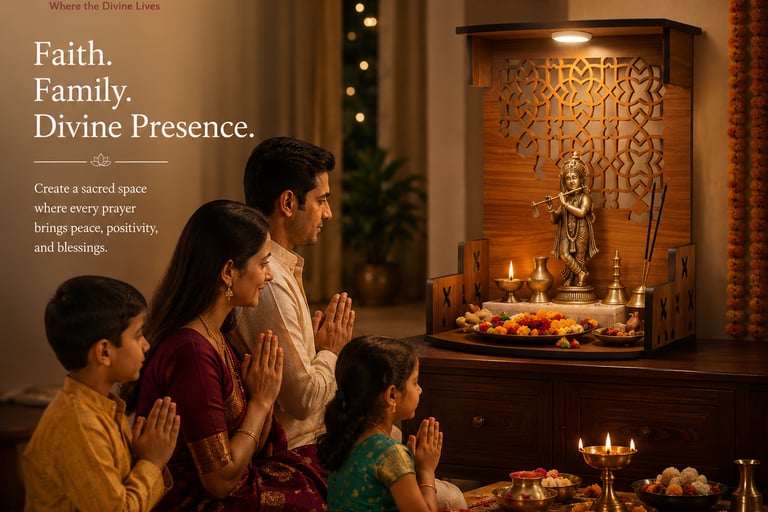

Choosing the right location for your home mandir is about more than finding an empty corner. A thoughtfully placed mandir creates a peaceful environment for daily worship while blending naturally into your home's layout.
These Vastu Tips for Mandir Placement in Modern Homes are designed for families living in Canada and the USA, where homes often feature open-concept layouts, multifunctional living spaces, and contemporary furniture rather than traditional architectural designs.
The good news is that you don't need a dedicated temple room to create a meaningful prayer space. With careful planning, a mandir can become a natural part of your home while maintaining the respect and serenity it deserves.
This guide focuses on where to place your mandir. If you're looking for guidance on which direction your mandir should face, read our guide on Best Direction for Home Temple According to Vastu.
Quick Answer
If you're wondering where to keep your mandir, the best locations are:
A quiet area within the living room
A dedicated prayer room
A thoughtfully planned open-concept space
A calm hallway niche with minimal foot traffic
Wherever you place your mandir, the goal is the same: create a peaceful, uncluttered space that supports your family's daily worship.
What Makes a Good Mandir Location?
A well-planned prayer space usually shares a few common characteristics.
It should:
Feel calm and separate from everyday distractions.
Remain clean and organized.
Be easily accessible for the entire family.
Fit naturally within your home's furniture layout.
Encourage regular daily worship.
Whether your mandir is placed in the living room, a dedicated prayer room, or an open-concept space, these principles remain the same.
Choosing the Right Spot for Home Temple Placement
Successful Home Temple Placement is about balancing tradition with practicality.
Modern North American homes are designed very differently from traditional Indian homes. Instead of searching for the "perfect" room, focus on finding a location that feels peaceful, functional, and easy to use every day.
The best placement allows your mandir to become part of your family's daily routine without interrupting the natural flow of the home.
When evaluating a potential location, ask yourself:
Does this space feel peaceful?
Will it remain clean throughout the day?
Is there enough room for prayer?
Can family members comfortably access it?
Does the location feel respectful?
If the answer is yes, you're already on the right track.
Living Room Placement
For many families, the living room is the most practical location for a home mandir.
Rather than viewing this as a compromise, many homeowners intentionally create a prayer corner within the living room because it keeps worship naturally integrated into everyday life.
A well-planned living room mandir should feel like a permanent part of the home's design rather than an afterthought.
When planning your layout:
Choose a quieter area of the room.
Avoid placing the mandir directly in the main walking path.
Leave enough open space for comfortable daily prayer.
Keep nearby furniture simple and uncluttered.
Allow the mandir to remain the visual focal point.
Many homeowners successfully choose:
A console table
A dedicated cabinet
A purpose-built wooden or oxidized metal mandir
A furniture niche designed for display
The objective is to create a prayer space that feels calm, intentional, and welcoming.
Dedicated Prayer Room
If your home includes a dedicated prayer room, it naturally becomes an ideal location for your mandir.
A separate worship space offers several advantages:
Greater privacy
Fewer daily distractions
Room for family prayers
Space for festivals and special occasions
A peaceful environment for reflection
Even in larger homes, simplicity is important.
Avoid filling the room with unnecessary furniture or decorative pieces that compete with the mandir for attention. Instead, allow the mandir to remain the central focus of the room.
Whether you choose a contemporary wooden mandir or a traditional oxidized metal design, keeping the surrounding space clean and uncluttered helps create a more peaceful atmosphere.
Open-Concept Layouts
Open-concept homes are now one of the most common floor plans across Canada and the USA.
Without separate rooms, many homeowners wonder how to create a prayer space that still feels intentional.
Fortunately, open-concept living works remarkably well with thoughtful planning.
Instead of building physical dividers, use furniture to naturally define the prayer area.
For example:
Position the mandir beside a console or sideboard.
Allow open space in front for comfortable prayer.
Keep surrounding décor simple and balanced.
Avoid making the mandir feel squeezed between furniture pieces.
When integrated thoughtfully, a home mandir becomes a natural extension of the living space while maintaining its spiritual significance.
Practical Tip
If you're still deciding where your prayer space feels most comfortable, a modular home mandir can make planning easier.
Many modern wooden mandirs are designed for straightforward assembly, allowing homeowners to experiment with different furniture layouts before choosing a permanent location.
This flexibility is especially helpful when moving into a new home or redesigning an existing living space.
Hallway Placement
A hallway can also become an excellent location for a home mandir when planned carefully.
This works particularly well if your home includes:
A recessed wall niche
A wider hallway
An unused corner
A built-in display alcove
The key consideration is movement.
Your prayer space should never interrupt the natural flow of the home or feel like it has been placed simply because there was empty space available.
If you're considering hallway placement:
Ensure the mandir is protected from accidental bumps.
Leave enough room to stand comfortably during prayer.
Keep the surrounding area clean and organized.
Avoid overcrowding the space with decorative accessories.
A thoughtfully designed hallway prayer space can transform an underused area into a peaceful place for daily worship.
Image Placement Suggestion
Wide hallway with a modern home mandir positioned inside a recessed display niche.
Suggested ALT Text
Wooden home mandir placed inside a recessed hallway niche in a modern North American home
Distance from the Kitchen
Modern homes often feature open-concept layouts where the kitchen and living room share the same space. Naturally, many homeowners wonder whether a mandir can be placed near the kitchen.
In most cases, yes—provided the prayer space remains clean, respectful, and visually separate from the main cooking area.
Rather than focusing on exact distances, consider whether the location allows the mandir to maintain its sense of peace and purpose.
A good placement should:
Be away from active cooking whenever possible.
Avoid direct exposure to heat, steam, and grease.
Remain easy to keep clean.
Feel like a dedicated prayer space rather than part of the kitchen.
Many families achieve this by positioning the mandir along a nearby living room wall or beside a console that naturally separates the prayer area from the kitchen.
Avoid Placing the Mandir Near Bathrooms
Another widely followed recommendation is to avoid placing the mandir directly beside or immediately adjacent to a bathroom whenever possible.
Modern North American homes often have bathrooms located throughout the floor plan, making perfect separation difficult. Rather than worrying about the overall design of the home, focus on selecting the most respectful location available.
When planning your prayer space:
Avoid sharing a bathroom wall if another suitable location is available.
Choose a cleaner and quieter part of the home.
Allow the prayer area to feel distinct from utility spaces.
The intention is to create an environment that encourages peace and reflection.
Keep the Prayer Area Free from Clutter
A beautiful mandir deserves equally thoughtful surroundings.
Regardless of where your mandir is placed, avoid allowing the surrounding area to become everyday storage.
Keep items such as:
Keys
Mail
Handbags
Chargers
Household paperwork
Miscellaneous décor
away from the prayer space.
Instead, let the mandir remain the visual centerpiece.
A clean and organized environment not only enhances the appearance of the room but also creates a calmer atmosphere for daily worship.
Position the Mandir at a Comfortable Eye Level
Comfort is an important part of good mandir placement.
Whether you pray while standing or sitting, your mandir should feel natural to use every day.
Rather than focusing on exact measurements, choose a height that:
Allows comfortable viewing during prayer.
Makes cleaning and maintenance easier.
Feels proportionate to the surrounding furniture.
Supports a relaxed daily worship routine.
A comfortable placement encourages regular use while allowing the mandir to remain a natural focal point within the room.
Plan the Surrounding Furniture Carefully
Your mandir should feel like an intentional part of your home's design—not something added wherever space happened to be available.
Before finalizing the location, consider how the surrounding furniture affects the overall experience.
Think about:
Walking paths through the room.
Door openings.
Nearby windows.
Seating arrangements.
Natural light.
Space for family members during prayer.
Many homeowners successfully integrate their prayer space using:
Console cabinets
Sideboards
Built-in display walls
Purpose-built wooden or oxidized metal mandirs
A thoughtfully planned furniture layout helps the mandir become a natural part of the home while preserving its spiritual importance.
Home Temple Placement Checklist
Use this simple checklist when evaluating different locations within your home.
Common Mistakes to Avoid
Even a beautiful mandir can feel out of place if the surrounding space isn't thoughtfully planned.
Try to avoid these common mistakes:
Placing the mandir in a busy walkway.
Positioning it too close to active cooking areas.
Allowing everyday household items to accumulate nearby.
Choosing a location that feels temporary or forgotten.
Ignoring comfortable access during daily prayer.
Treating the mandir as just another decorative furniture piece.
A carefully planned location creates a space that feels peaceful every time you use it.
Final Thoughts
Good Home Temple Placement is about creating a prayer space that feels peaceful, respectful, and practical for everyday life.
Whether your mandir is placed in the living room, a dedicated prayer room, an open-concept layout, or a thoughtfully planned hallway niche, the best location is one that encourages regular worship while fitting naturally into your home's design.
If you're still deciding which direction your mandir should face, continue with our guide on Best Direction for Home Temple According to Vastu. Families with limited space may also find our guide on Mandir Placement in Apartments and Condos helpful.
Frequently Asked Questions
Where is the best place to keep a mandir in a modern home?
A quiet living room, dedicated prayer room, thoughtfully planned open-concept space, or a hallway niche can all be suitable. The most important factor is creating a peaceful and respectful environment for daily worship.
Can I keep my mandir in the living room?
Yes. Many modern homes successfully integrate a mandir into the living room by creating a dedicated prayer corner that blends naturally with the surrounding furniture.
Is it okay to place a mandir near the kitchen?
Yes. In open-concept homes, placing a mandir near the kitchen is common. Try to maintain separation from active cooking areas and keep the prayer space clean.
Should a mandir be placed near a bathroom?
Whenever practical, choose a location away from bathrooms to maintain a more peaceful and respectful setting for worship.
How high should a home mandir be placed?
There is no universal measurement. Choose a comfortable height that allows easy viewing, regular maintenance, and a natural prayer experience.
Can I move my mandir if I redesign my home?
Yes. Many modern modular mandirs are designed for straightforward assembly, making it easier to adapt your prayer space when moving or updating your home's furniture layout.
Continue Reading
Continue exploring our Home Temple Vastu Guide for practical direction, placement, and planning advice.
Need Help Choosing?
Find a home mandir that fits your layout and complements your daily prayer routine.
ISHLIV
Bringing divine presence into modern North American homes through meticulously crafted, easily assembled sacred spaces.
Support
Contact
📧 contact@ishavasyamliving.com
🇨🇦 +1-905-226-6346
🇺🇸 +1-641-991-8169
Secure Payments
Available across USA & Canada
📍Ships from North American warehouses
© 2026 ISHLIV. All rights reserved.